
Is Group Dating Making a Comeback in Japan?
Gōkon, or group dating, suffered during the COVID pandemic. Signs point toward the phenomenon seeing a resurgence as Japanese tire of dating apps.
Group dating, or gōkon, is a Japanese way for friends to meet new people. The relaxed, semi-structured setting is meant as a place to find potential romantic partners.
The COVID-19 pandemic saw group dates grind to a halt. Still, even before that, dating apps had started to displace more traditional ways of meeting.
However, recent years show signs that group dating may be making a quiet comeback — driven by a new generation curious about in-person connection and a growing weariness with the limitations of online dating.
How group dating works in Japan
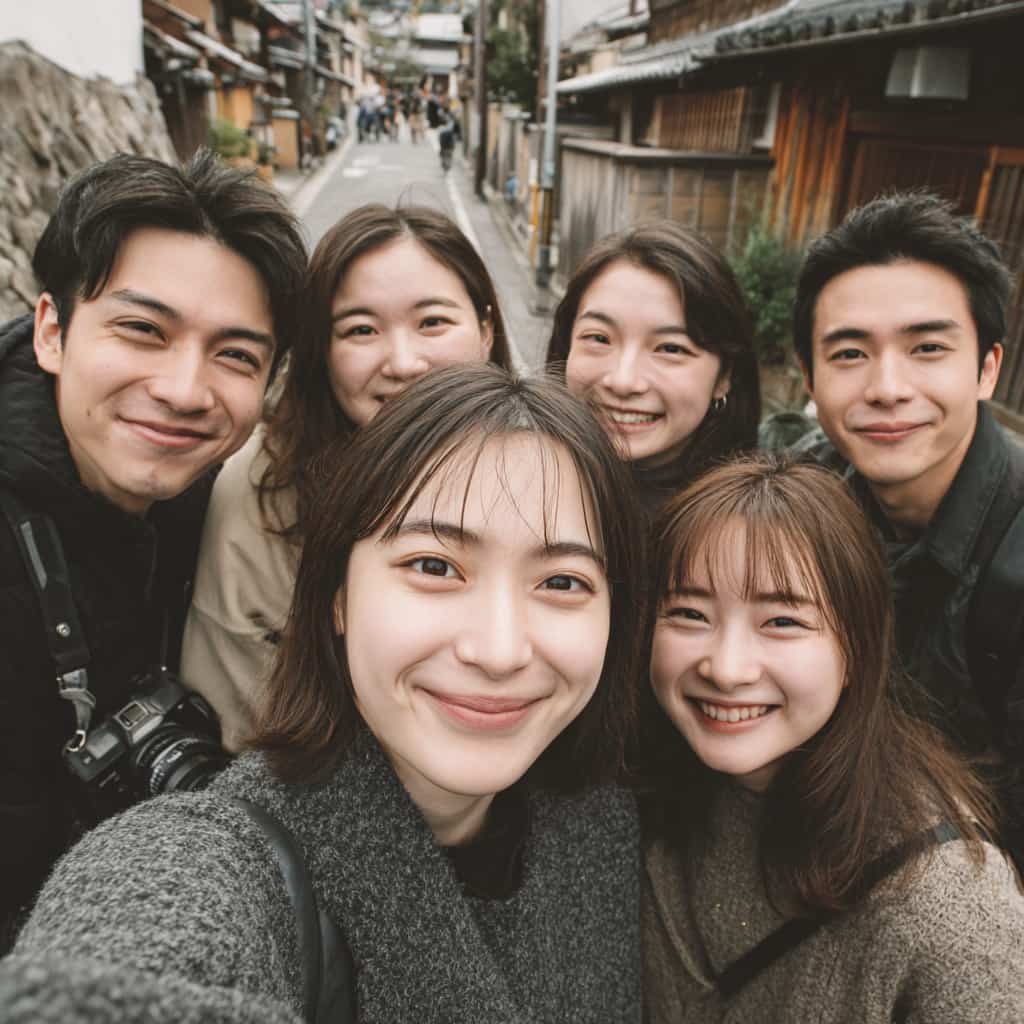
Gōkon (合コン) is short for gōdō konpa or “combined group gathering.” It is a group gathering for an equal number of men and women, often introduced through mutual friends. Think of it kind of like a double date, but with three to five people per side.
Gōkon mix the informal and ritualised. After introductions, groups spend time getting to know each other, followed by food and drinks. As the night progresses, people begin shifting seats to sit next to whoever has caught their interest. If the energy is good, someone suggests a nijikai (second party), often at karaoke or a nearby bar.
At the end of the night, people may exchange contact information and possibly follow up the next day.
Even if no romantic connections form, the events often help expand social circles – and lead to future gōkons.
Gokun and the pandemic
The roots of gōkon stretch back to “company meetings,” which focused on giving young students a chance to socialise beyond the classroom. By the 1970s, the practice evolved into gōdō konpa, or “combined group gatherings,” eventually shortened to gōkon.
The traditional saw a massive downswing during the COVID pandemic but had already seen a drop in popularity. A 2021 nationwide survey found that only 32% of respondents had ever taken part in a gōkon. Participation was especially low among teens and people in their early twenties, suggesting that an entire generation was at risk of missing out on the tradition altogether.
But by early 2023, signs of recovery were beginning to emerge. A survey in February of that year found that 47% of people in their twenties reported participating in group dates — a noticeable increase.
A comeback story — or something new?
While the increased figures from a single survey far from equal a confirmed full resurgence of gōkon, there are other signs.
Many people are simply tired of digital dating and apps. Gōkon offers something different: a more natural, face-to-face way to meet people, with real-time conversation and the buffer of group energy.
The group format also removes some of the pressure that comes with one-on-one dating. For many, that provides a better chance to relax and form honest opinions of others.
Finally, there’s novelty. What was once considered old-fashioned now feels fresh — something you try not because you have to, but because you’re curious. The rise of niche events like machi-cons (city-wide matchmaking festivals), hobby-cons (theme-based meetups), and even J-cons (Self-Defence Forces-themed gōkon) also shows how the format is adapting to modern preferences.
However, it is uncertain if the nostalgia, fatigue with swiping, or just the appeal of something more tangible, will prove sustainable. While younger participants may find gōkon refreshing now, it’s unclear whether the format can hold their interest long-term.
However, it does seem that group dating in Japan is being re-evaluated. Probably not viewed as obsolete or reborn but being reimagined by a generation curious and attracted to offline connections, even as many remain firmly online.