Ten Japanese Laws You May Already Have Broken
Japan is known as a country where people follow the rules.
However, it is not always easy to follow Japanese laws – doubly so for foreigners, who might be breaking laws without knowing it.
Japanese laws can be indecipherable or hard to follow – even for Japanese people. So, what chance do foreigners have?
Hopefully a better chance once reading this list.
That said, as someone who lives here, I would like to encourage all visitors here to consider not just the written laws but also the unwritten rules and laws of Japan when visiting. You might not notice it, but I have seen many a Japanese eye roll that most foreigners wouldn’t catch over said foreigners’ behaviour.
Japan is a unique place and a very hospitable people. Please respect the role of a guest.
Now, with that public services announcement over with, let’s get down to some law-breaking.
Kicking the Japanese flag but no other
A peculiarity of Japan’s Penal Code 1907, Article 92 (but you should read the whole thing. It’s a real page turner) is that damaging or defiling another country’s flag can be considered a criminal offence. Punishment can be up to two years in prison or a fine of up to 200,000 yen. You can expect leniency if the owners of the flag (the foreign country in question) request it.
You might be wondering about the Japanese flag. Here, you can have at it (at least in the view of the law), as there is no specific criminal offence connected with taking out your frustrations on the Japanese flag.
Pressure in the workplace, or “powerharra”
This next one only applies to people working in Japan or visiting for work reasons.
If this is you, you might consider studying the Act on Comprehensive Promotion of Labour Policies, 2019 edition, and its texts on power harassment, in Japan often referred to as “powerharra.”
The essence of the law is that managers and peers are liable for fines up to 200,000 Yen if hey they are found guilty of pressuring others in the workplace, which extends to the pressure to consume alcohol in the famous / infamous nomikai.

Pre-flight check your pharmacy list
The list of medicines and remedies that you can and cannot bring into Japan will likely surprise you. Many cold and flu medicines are illegal under Japanese law, as well as some common painkillers like those containing codeine.
Other remedies that have long since become mainstays and no-brainers in other areas are also on the strict no-entry list for Japan. One of the reasons is the country’s long approval processes for medicines.
So, check the status of your medicine before departing.
If you are found to have brought any of these prohibited medications into Japan or have them imported into the country for personal use, you could be found guilty of an offence and risk being detained and deported, which would make for a good dinner story. And a very, very short, and expensive, holiday trip.
No splashing please, we’re Japanese
In the early 60s, someone came up with an idea that I, as someone who walks a bit, think should be part of every country’s legal framework,
Article 71 of the Road Traffic Act stipulates that vehicle drivers should limit their speed or take other measures to ensure they don’t cause a nuisance to others by scattering water or mud.
If you are found in violation of the law, you can find yourself subject to a criminal or petty fine of up to 20,000 yen.
The risks of extra change
Japan is famous (I hope) for being a country where you don’t tip. Here, the expectation is that you do your best, whatever you do. Also, people generally earn a respectable wage.
Even so, take care to count your change when it’s handed back to you.
In 2015, a woman was arrested on swindling charges after accepting an extra 45,000 yen in change, which the cashier had mistakenly handed to her.
Don’t litter – just don’t!
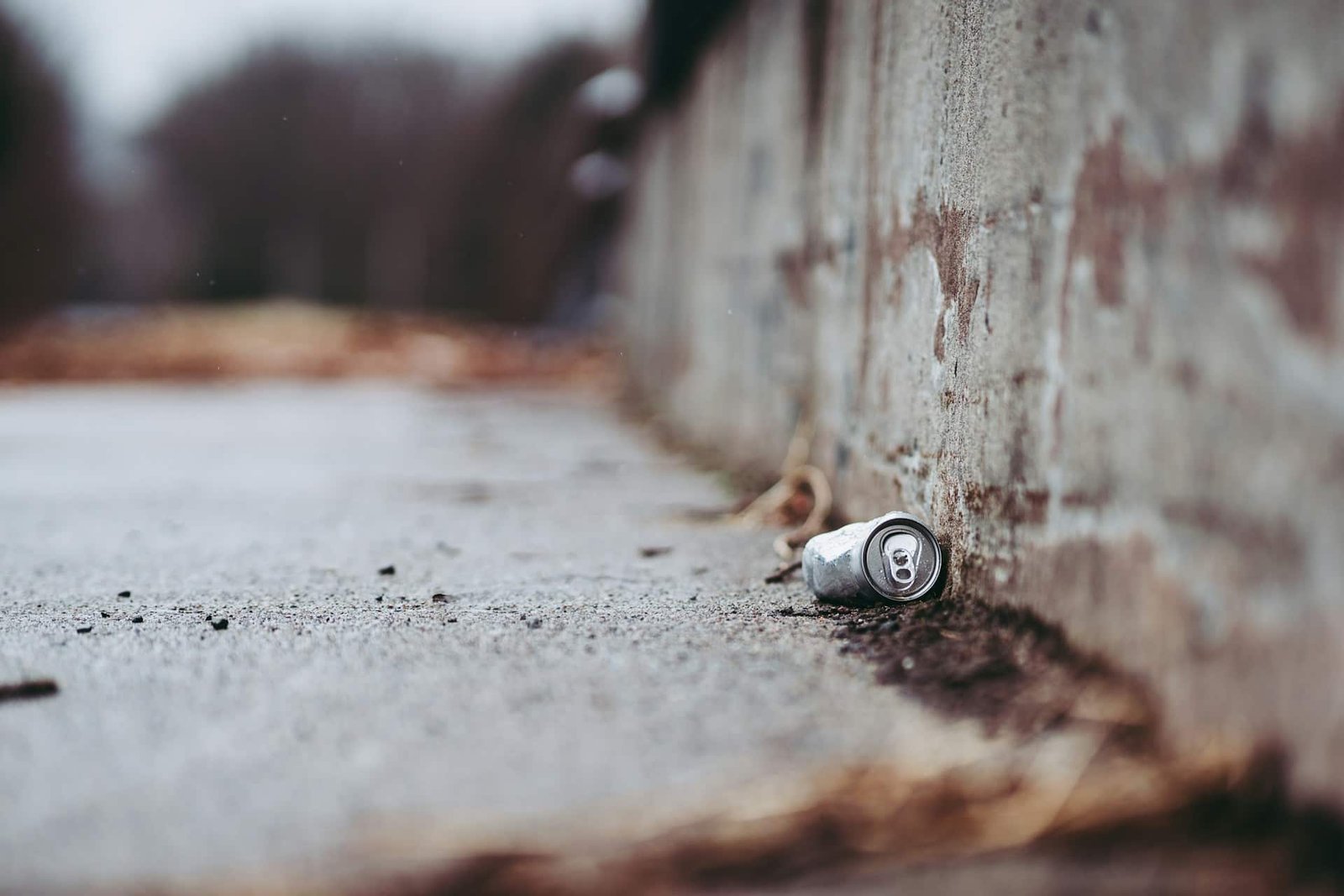
Yes, we have few trashcans in Japan. Yes, this can be annoying. No, this doesn’t mean you can leave your trash around. For one thing, those found guilty of littering in one of Tokyo’s Beautification Enforcement Areas can be fined up to 30,000 yen.
Secondly, and more importantly for me, it makes all foreigners seem like assholes if you do litter. So just don’t. Japan is remarkably clean, and we can all contribute o keeping it that way.
No moonshine
Law in Japan bans homebrewing alcohol over 1% ABV. This includes making your own beer (beer-making kits are illegal in Japan) and even making some cocktails. Other homemade fruit infusions like umeshu (plum wine) are legal to make, as long as they are mixed with alcohol above 20% ABV, so it is unlikely to ferment.
Of course, if you’re bringing moonshine equipment on your holiday, you have bigger issues to handle than that.
Photography and filming rules
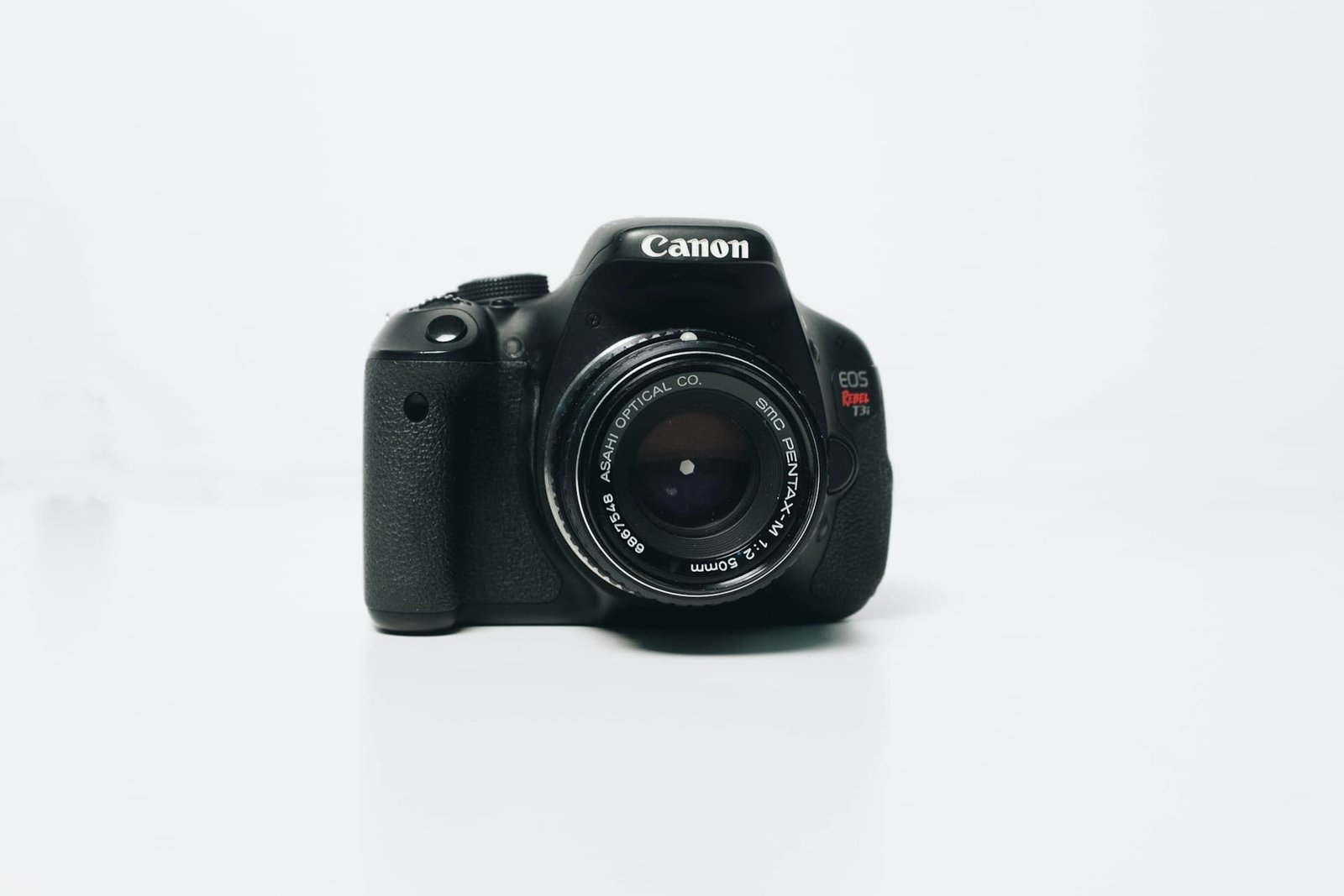
I get it: you want a photo of the completely overpacked train car. However, you might want to consider the Japanese prohibition of taking secret photographs or videos of people without their consent.
Depending on the situation (the train is not generally considered serious, unless the photos are deemed that they violate privacy, causes disturbance, or involves sexual intent, so you will probably be fine) taking such photos and videos can be considered a serious crime.
Remember your passport
The passport on you at all time debate is quite a thing among foreigners living in Japan (we don’t have to, as long as we have the residency card, so the debate is about what friends and relatives should do when visiting). It can be hard to get full clarity on whether this is strictly speaking necessary.
However, to be on the safe side, you should probably keep your passport with you when going out.
If you do not have your passport with you if the police stop you (happens infrequently and pretty randomly), you might need to go with them to the police station to clear up the situation.
Smoking in public
If you are a smoker visiting Japan, get used to spending time in the human equivalent of fish tanks. See-through or matted windowed squares at stations and elsewhere show where it is ok to smoke in public.
The rules have recently changed and become stricter, and while smoking is still allowed in smoking rooms and in some restaurants and bars, public spaces are a big no-no.
Breaking the rules can lead to steep fines.
Photos: